

1. Introduction to Gymnastics
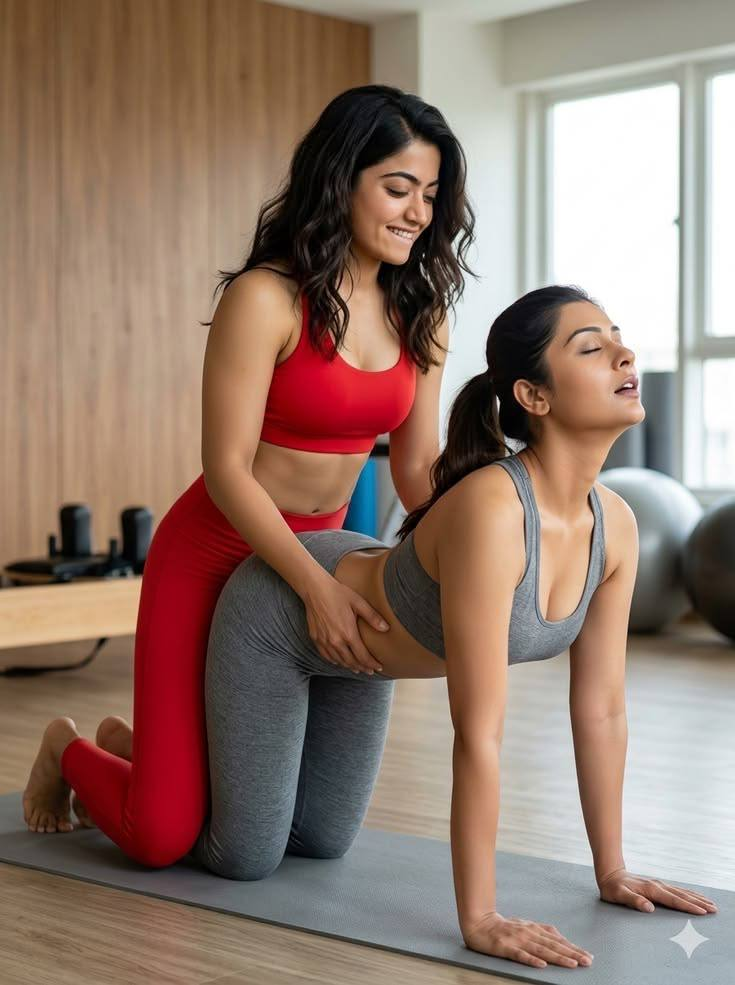
Gymnastics is a demanding sport that requires exceptional flexibility, muscular strength, physical balance, and seamless coordination between the brain and muscles. In this video, we observe a close relationship between an experienced coach and a young female athlete as they practice a challenging gymnastics move—the handstand split. This type of training not only benefits physical development but also sharpens mental focus, resilience, and self-confidence.

2. The Importance of Professional Coaching
Having a skilled coach is essential in gymnastics for several reasons:
- Ensuring Safety: Gymnastics carries a high risk of injury if there is no professional to support or guide the correct posture.
- Correcting Form: Coaches can spot minor flaws and help refine the athlete’s body posture to perfection.
- Boosting Morale: Physical and psychological support from a coach gives athletes the courage to try new and difficult moves.

3. Key Components of Gymnastics Training
Success in this sport depends heavily on four main pillars, as seen on the studio banner in the background (Dream, Balance, Strength, Gymnastics):
- Dream: Setting clear goals and aspiring to become a professional athlete.
- Balance: The ability to maintain stability while performing complex movements.
- Strength: Developing powerful arm, leg, and core muscles to support body weight.
- Gymnastics Technique: Mastering proper execution and form.

4. Health Benefits of Gymnastics Training
- Improves Flexibility: Regular stretching keeps joints and muscles limber and supple.
- Enhances Core Strength: Strengthens abdominal, back, and hip muscles.
- Builds Mental Endurance: Trains the mindset to be patient, resilient, and persistent when facing difficult routines.


Leave a Reply